Last updated 2026-08-19
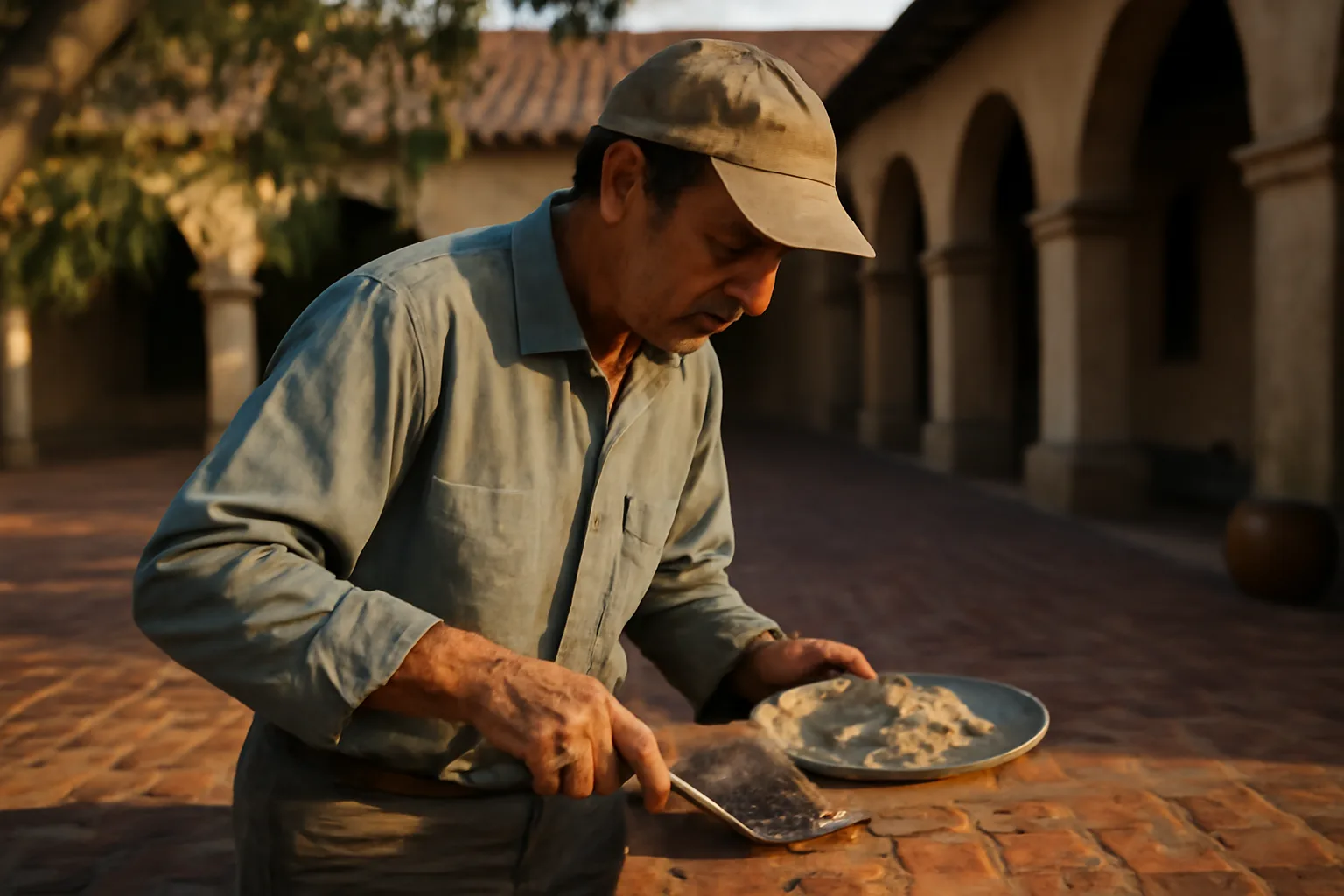
TL;DR
In California, once one project (labor plus materials) hits $500, tuckpointing is contractor work. That usually means a CSLB C-29 Masonry license, or another classification that legally covers the scope. Licenses run on a two-year cycle. You renew with the Contractors State License Board, keep the bond current, and clear any workers' comp holds. Prices and calendars are local. Confirm fees and forms on the CSLB site before you file.
Do you need a license for tuckpointing in California?
Yes. Once labor, materials, and everything else on one project reaches $500, you need a California contractor license to tuckpoint. Most people carry C-29 Masonry. A B license covers tuckpointing only when the job meets the general building rules. Casual work under $500 can be exempt, within limits.
Business and Professions Code section 7048 sets the license floor at $500 for labor, materials, and all other items on one undertaking. [1] The board reads the aggregate on that project. Two invoices that add to $800 on the same wall are still one undertaking. I would not build a shop on the exemption.
The contractor definition is wide. Section 7026 reaches a person who undertakes, offers, purports to have the capacity, submits a bid, or does the work of constructing, altering, repairing, or improving a structure. [3] Tuckpointing repairs masonry joints. It fits that sentence cleanly.
Working without the required license is a crime, not a paperwork spat. Section 7028 says, "It is a misdemeanor for a person to engage in the business of, or act in the capacity of, a contractor within this state without having a license therefor, unless the person is particularly exempted from the provisions of this chapter." [2] Then section 7031 blocks an unlicensed contractor from suing to collect pay for work that needed a license. [14] People learn that part late.
Advertise tuckpointing jobs, show up with a truck, take deposits, and you are asking CSLB to treat you as a contractor. Get the C-29 before the first real facade. Pull the other party's number on Instant License Check before money moves.
What license classification covers tuckpointing in California?
C-29 Masonry is the classification that names pointing. CSLB's classification text lists pointing, caulking, cleaning, and waterproofing of masonry. A B General Building license is for projects with two or more unrelated trades, not a pointing-only wall. If you are entering tuckpointing, sit for C-29.
The Description of Classifications is the document to print. It puts masonry contractors in brick, block, stone, terra cotta, and related work, and it lists pointing of that masonry. [4] Tuckpointing is pointing with a ribbon or a color contrast. The board's word is pointing. Same work family.
Do not hang a pointing-only bid on a random specialty card. Classification fights surface after a complaint, not before the deposit. A B holder can contract a remodel that includes tuckpointing when the job honestly carries two unrelated trades. A single elevation of joint work is C-29 territory.
The qualifier needs four years of journey-level experience in the last ten years under section 7068. [7] Document it with W-2s, 1099s, and statements from licensed employers. I would not buy a qualifier story from a stranger. The qualifier is on the hook when a job goes bad.
You still sit for the Law and Business exam and the masonry trade exam. I will not guess a pass window. Confirm the current application packet on the board site. Processing time is a board fact, not a blog fact.
How does tuckpointing license renewal work in California?
You renew a California contractor license every two years with CSLB. Keep the bond current and clear workers' comp or judgment holds. File on the board's renew page and confirm the fee there. A clean renewal is not a new trade exam.
CSLB licenses expire on a two-year cycle under Business and Professions Code section 7140. [5] The renew page carries the live form and the live fee. [8] The registrar mails a notice before expiration. Mail gets lost. Set your own reminder 90 days out and file early.
Renewal fails for boring reasons. The bond lapsed. The workers' comp exemption no longer matches the crew. A judgment sits unpaid. Fix those before you click renew. I treat renewal week like a job closeout: sit down, pull the license record, clear holds.
Drift past expiration and late fees plus extra steps show up. Drift far enough and the board can treat you like a new applicant. Confirm that outer limit on the renew page before you assume you have years of slack. [8] I will not invent the current delinquent dollar amount.
California does not run a general continuing-education hour pile for a standard C-29 the way some states do. Confirm that on the current renew page, because the legislature can add a course. Do not buy a 40-hour "renewal school" from an ad unless the board names that school.
Other states use other clocks. Tuckpointing renewal in Arizona is a different agency and a different form set. Keep a spreadsheet if you hold two cards.
What if the California contractor license expires or goes inactive?
You cannot take new licensed work on an expired card. Inactive status is a formal CSLB choice when you stop contracting. Late renewal and reactivation each have their own forms. After a long lapse you may have to apply as new. Confirm the current outer limit with the board.
Stop bidding the day the license is not current. Finish only what the board and a construction lawyer say you can finish. I am not your lawyer. The operational rule is simple: no new contracts until Instant License Check shows current.
Reactivation is not a vibe. It is a form, a fee, and a bond check. Those fees move. Read the renew page and the code sections it cites. [8] People tell themselves they have a five-year cushion, then they learn the hard version of that sentence.
Inactive status can make sense if you took a W-2 job and you do not want the active-license bills. You cannot prime a tuckpointing contract on an inactive license. The "side wall for a neighbor" is how a complaint starts.
Leave the state and come back, and you pull your own record. Do not assume the old number is waiting in a drawer. Tuckpointing renewal in Alaska will not keep a California number alive.
How much does tuckpointing cost in California?
California has no official tuckpointing price list. Labor, access, historic matching, and silica controls set the bid. Use the BLS mason wage table as a labor anchor and collect three local written bids on the same scope. National per-foot blogs are not a California bid.
Nobody has a clean statewide tuckpointing bid database. The closest honest labor anchor is the Bureau of Labor Statistics Occupational Employment and Wage Statistics table for brickmasons and blockmasons, SOC 47-2021, which publishes a California estimate next to the national mean. [12] Read the current row. Do not tape a 2019 blog number to a current proposal.
Access is where numbers jump. A one-story garden wall from the ground is one job. A four-story courtyard that needs pipe staging, debris chutes, and a street permit is another. Lime mortar matched to 1912 clinker brick costs more than gray Type N on a 1980s veneer. Full joint cut-out costs more than a face rake.
Public works can sit on a Department of Industrial Relations prevailing-wage determination. Those PDFs reissue. I will not paste a county rate that goes stale next quarter. Pull the current masonry determination if you bid public work.
One waste of money: prepaid lead lists before you have a license number a homeowner can look up. Another: the cheapest imported "historic" mortar that ends up harder than the brick. You will pay for the wall twice.
Ask bidders to split mobilization, joint cutting, mortar, and cleanup. Compare those lines. The low number with no silica plan is not a bargain. California prices are local because dust rules, staging, and brick type are local.
How long does tuckpointing take in California?
A small wall can take a day or two plus cure time. A house elevation often runs days to a few weeks. Historic commercial work can take months. Joint depth, staging, weather, and city review control the calendar more than any slogan.
The National Park Service is blunt. Preservation Brief 2 states, "Repointing is both expensive and time consuming due to the high labor costs and the required use of skilled masons." [9] That sentence is still true on a California street.
Cure time is part of the job. Hydraulic lime and some restoration mortars want damp curing and a wait before hard weather. Pointing a west wall at 3 p.m. in July in Fresno and walking away is a gamble. Coastal fog pushes the same mortar the other direction.
City staging permits, dumpster placement, and historic review add days that never show up in a linear-foot count. A designated district can add weeks before a trowel hits the wall. Write that into the contract so nobody pretends it is a surprise.
I schedule cut-out and pointing in passes. Joints need the right depth and a clean face. NPS depth guidance is a function of joint width, not a weekend race. Rush a grinder and you chip arrises, then argue about brick replacement.
Do you still need city permits and a local business license?
Yes. Many jobs still need a city business license, a street-use permit for staging, or a building permit. CSLB does not replace the city. Ask the building counter at the job address with photos and a written scope.
I treat the city as a second board. A historic courtyard in Pasadena is a different stack than a veneer patch in an inland suburb. Some counters want a building permit for structural masonry. Cosmetic repointing on a veneer sometimes does not. The clean answer is the counter in front of you.
Business tax certificates, fictitious business names, and seller's permits sit next to the CSLB card. Sell materials as a line and you may need a CDTFA seller's permit. I will not invent those fees. Pull the current city and tax pages.
Street occupancy is the surprise line. A dumpster or a sidewalk frame can need its own permit. Neighbors call when dust leaves the lot.
A Hawaii card does not help in Oakland. Tuckpointing renewal in Hawaii is a different island board. Keep California paper for California walls.
What bond, workers' comp, and contracts sit next to the card?
A $25,000 contractor bond is a license condition under section 7071.6. Workers' comp is required unless a lawful exemption applies. Residential jobs over $500 need a home improvement contract that follows section 7159. Confirm the live figures before you buy anything.
Business and Professions Code section 7071.6 requires a $25,000 contractor bond as a condition of issuance, reinstatement, reactivation, renewal, or continued maintenance of a license. [6] That figure has sat at $25,000 since the 2023 increase. Confirm the live section before you buy a bond, because the statute can move. The bond is not a workmanship warranty. Homeowners mix those ideas up.
Workers' compensation is its own filing under section 7125. [15] A no-employee exemption dies the morning you hire a laborer. Have a policy in force before a helper steps on site, even for a short burst.
Silica rules cost real money on every cut. OSHA's construction silica standard is 29 CFR 1926.1153. [10] Cal/OSHA runs Title 8 section 1532.3. [11] Wet methods, HEPA vacuums, and a written plan are the job. A dry cutoff saw on a brick joint is how you buy a citation.
Residential work is also a contract-statute problem. Section 7159 is the long home improvement contract rule set, including deposit and progress payment limits. [13] Use a form a construction lawyer has read. Do not copy a template from a random site and hope.
How do historic buildings change tuckpointing work in California?
Local historic review can dictate mortar, tools, and joint profile. The CSLB card does not override a preservation officer. NPS Brief 2 is still the technical baseline: softer mortar than the brick, sample panels on the wall, hand tools on vertical joints.
I hand people Brief 2 when they want to "just grind it out." Mechanical grinders on historic brick chew the arrises. Many specs allow a thin grinder only in the center of a horizontal joint, and only in experienced hands. Vertical joints get chisels. [9]
California light is unkind to color match. A mortar that looks right in a warehouse reads pink at 4 p.m. on a west wall in Santa Barbara. Sample panels go on the building, not on a shop board.
District paper is messy because cities do not share one packet. Want that folder already assembled? TuckpointPath sells a $149 one-time Mortar-Match + District Kit. You can also build the same folder yourself from city preservation pages and NPS Brief 2 for free. I would not skip the sample panel either way.
Old walls also hide lead paint and asbestos caulk. Test before you make dust. That is not romantic work. It is the job.
What should a first-year tuckpointing shop actually buy?
Spend first-year money on the license, the bond, silica controls, and hand tools. Skip the wrapped van, the franchise pitch, and prepaid lead lists. A shop fails on paper and dust, not on a missing logo.
A grinder with a vacuum shroud and a water kit, a hand raking set, pointing irons in the joint sizes you actually see, a hawk, a mixer you can clean, and staging you understand. That is enough. Cheap imported irons that flex are a waste. So are 40 jars of pigment you will never open.
Training hours beat gadget hours. If you cannot cut a joint without chewing the brick, you are not ready to hire. Read the OSHA and Cal/OSHA silica rules before you cut a demo wall. [10] [11]
Skip the inbox that promises 30 jobs this month. Three completed sample walls photographed with a tape in the frame sell better than a slogan.
Work mountain states too? Compare the paper, do not merge it. Tuckpointing renewal in Colorado and tuckpointing renewal in Idaho are different boards. One packet will not cover both.
How does California compare with other states on renewal paper?
California uses a two-year CSLB cycle, trade classifications, and a statutory bond. Other states use different boards and different dollar triggers. Hold two licenses and you track two calendars. National reciprocity is mostly a myth.
Illinois and Florida do not share CSLB's form set. Tuckpointing renewal in Illinois is a useful contrast if you came from the Midwest. Tuckpointing renewal in Florida is the other long paper path people ask about. Read those boards on their own terms.
I would keep California as the home license if this is where the walls are. Add a second state only after a year of clean renewals and real photos. Two baby licenses is how you miss both expirations.
The $500 California threshold is low next to the talk you hear from other regions. [1] That is why people get caught. Read the local statute, not a Facebook group.
Where do you confirm the current rules before you file?
Confirm fees and forms on the CSLB renew page and in the live Business and Professions Code. Confirm city rules at the counter for that address. Do not treat a blog, including this one, as a substitute for the statute. No one can promise your approval date.
Start with Instant License Check on yourself. Then the renew page. [8] Then the code sections for the $500 floor, the bond, and home improvement contracts. [1] [6] [13] If a blog disagrees with the statute, the statute wins.
Print the C-29 description and keep it in the truck. [4] When a customer asks if you can do the chimney and the garden wall, show the pointing language instead of shrugging.
TuckpointPath is an independent publisher, not a law firm and not a service company. Use /start only if you want help organizing district paper. The Contractors State License Board still owns the license.
Frequently asked questions
Do you need a license for tuckpointing in California?
Yes, once labor, materials, and other items on one project hit $500. That is the floor in Business and Professions Code section 7048. Most tuckpointing is C-29 Masonry work. Casual jobs under $500 can be exempt, within limits. Advertising and stacking invoices on the same wall can still pull you into the license law.
How much does tuckpointing cost in California?
There is no official state price list. Labor, staging, historic matching, and silica controls drive the bid. Use the current BLS wage table for brickmasons (SOC 47-2021) as a labor anchor and collect three written bids on the same scope. National per-foot blogs are not a California number.
How long does tuckpointing take in California?
A small garden wall can be a day or two plus cure time. A house elevation is often days to a few weeks. Historic commercial courtyards can run months. Joint depth, weather, staging permits, and historic review move the calendar. NPS Brief 2 calls repointing time consuming because the labor is skilled.
Is tuckpointing a C-29 or a B license job in California?
Pointing-only work belongs on a C-29 Masonry license. CSLB's classification text includes pointing of masonry. A B General Building license can include tuckpointing when the project honestly has two or more unrelated trades. If you are entering the trade to point walls, sit for C-29.
How often do you renew a California contractor license?
Every two years. Business and Professions Code section 7140 puts CSLB licenses on a two-year cycle. File on the CSLB renew page and confirm the current fee there. A clean renewal is paper and a bond check, not a new trade exam. Set your own reminder. Do not wait for the mailed notice.
What is the contractor bond amount in California?
Business and Professions Code section 7071.6 requires a $25,000 contractor bond as a condition of issuance, reinstatement, reactivation, renewal, or continued maintenance of a license. That figure has been $25,000 since the 2023 increase. Confirm the live statute before you buy, because the dollar amount can move.
Can two small invoices dodge the $500 California license rule?
No. Section 7048 looks at the aggregate contract price for labor, materials, and all other items on one undertaking or project. Splitting a wall into $400 invoices is a bad plan. If you advertise as a contractor or the work is not casual and minor, the exemption is a poor place to hide.
Do you need workers' comp if you tuckpoint alone in California?
A lawful no-employee exemption can apply if you truly have no employees. Section 7125 is the workers' comp hook on the license. The exemption dies when you hire help, even for a week. Put a policy in force before a laborer steps on the scaffold. Confirm the current exemption form with CSLB.
What happens if you tuckpoint in California without a license?
Unlicensed contracting is a misdemeanor under section 7028 unless an exemption applies. Section 7031 also blocks an unlicensed contractor from suing to collect pay for work that needed a license. CSLB can issue citations. The practical hit is often unpaid invoices plus a complaint, not a theoretical fine.
Does California require continuing education for a C-29 masonry license?
A standard C-29 does not carry a general continuing-education hour mandate the way some states do. Confirm that on the current CSLB renew page, because the legislature can add a course. Skip paid "renewal schools" unless the board names them. Bond, workers' comp, and status holds are the real renewal blockers.
Can an out-of-state mason get a California C-29?
You still deal with CSLB, the experience showing under section 7068, and the exams the board currently requires. Limited exam waivers exist in some cases. They are not a blanket reciprocity deal. Confirm the current out-of-state path on the application pages. Do not work on a home-state card in California.
Is grinding mortar joints legal on historic brick in California?
There is no single statewide ban, but historic officers and specs often restrict grinders. NPS Brief 2 warns that mechanical grinders damage historic brick. Many jobs allow a thin grinder only in the center of horizontal joints. Vertical joints stay on hand tools. Local review can be stricter than the state license.
Do you need a home improvement contract for residential tuckpointing?
If the residential job is home improvement work over $500, section 7159 applies. That statute is long. It covers contract contents, down payments, and progress payments. Use a form a construction lawyer has read. A handshake plus a text thread is a weak place to stand after a dispute.
Where do you look up a tuckpointing contractor's license in California?
Use CSLB Instant License Check. Confirm the number is current, the classification covers masonry pointing, and there is no suspension. Match the name on the contract to the name on the license. A city business license is extra paper. It is not a substitute for the CSLB card.
Sources
- California Legislative Counsel, Business and Professions Code § 7048: California's contractor license law does not apply to a project whose aggregate contract price for labor, materials, and all other items is less than $500.
- California Legislative Counsel, Business and Professions Code § 7028: Acting in the capacity of a contractor in California without a license is a misdemeanor unless a statutory exemption applies.
- California Legislative Counsel, Business and Professions Code § 7026: A contractor includes a person who undertakes, offers, bids, or does construction, alteration, repair, or improvement of a structure.
- CSLB, Description of Classifications (C-29 Masonry): The C-29 Masonry classification includes pointing, caulking, cleaning, and waterproofing of masonry work.
- California Legislative Counsel, Business and Professions Code § 7140: CSLB contractor licenses operate on a two-year expiration and renewal cycle.
- California Legislative Counsel, Business and Professions Code § 7071.6: A $25,000 contractor bond is required as a condition of issuance, reinstatement, reactivation, renewal, or continued maintenance of a license.
- California Legislative Counsel, Business and Professions Code § 7068: The qualifying individual must show at least four years of journey-level experience.
- CSLB, Renew Your License: Licensees renew with CSLB on the board's renew page, which carries the live process and fee notes.
- National Park Service, Preservation Brief 2: Repointing Mortar Joints in Historic Masonry Buildings: NPS states that repointing is both expensive and time consuming due to high labor costs and the required use of skilled masons.
- OSHA, 29 CFR 1926.1153 Respirable crystalline silica: Construction cutting and grinding of masonry is subject to the federal respirable crystalline silica standard.
- Cal/OSHA, Title 8 CCR § 1532.3 Occupational Exposures to Respirable Crystalline Silica: California construction employers must follow Title 8 section 1532.3 for respirable crystalline silica on masonry cutting and grinding.
- U.S. Bureau of Labor Statistics, OEWS Brickmasons and Blockmasons (SOC 47-2021): BLS publishes current national and California wage estimates for brickmasons and blockmasons, the labor category that includes pointing work.
- California Legislative Counsel, Business and Professions Code § 7159: Home improvement contracts at or above the statutory threshold must follow section 7159 content, deposit, and payment rules.
- California Legislative Counsel, Business and Professions Code § 7031: An unlicensed contractor may not bring or maintain an action to collect compensation for work that required a license.
- California Legislative Counsel, Business and Professions Code § 7125: CSLB requires a current workers' compensation filing or a lawful exemption as a condition of maintaining a contractor license.